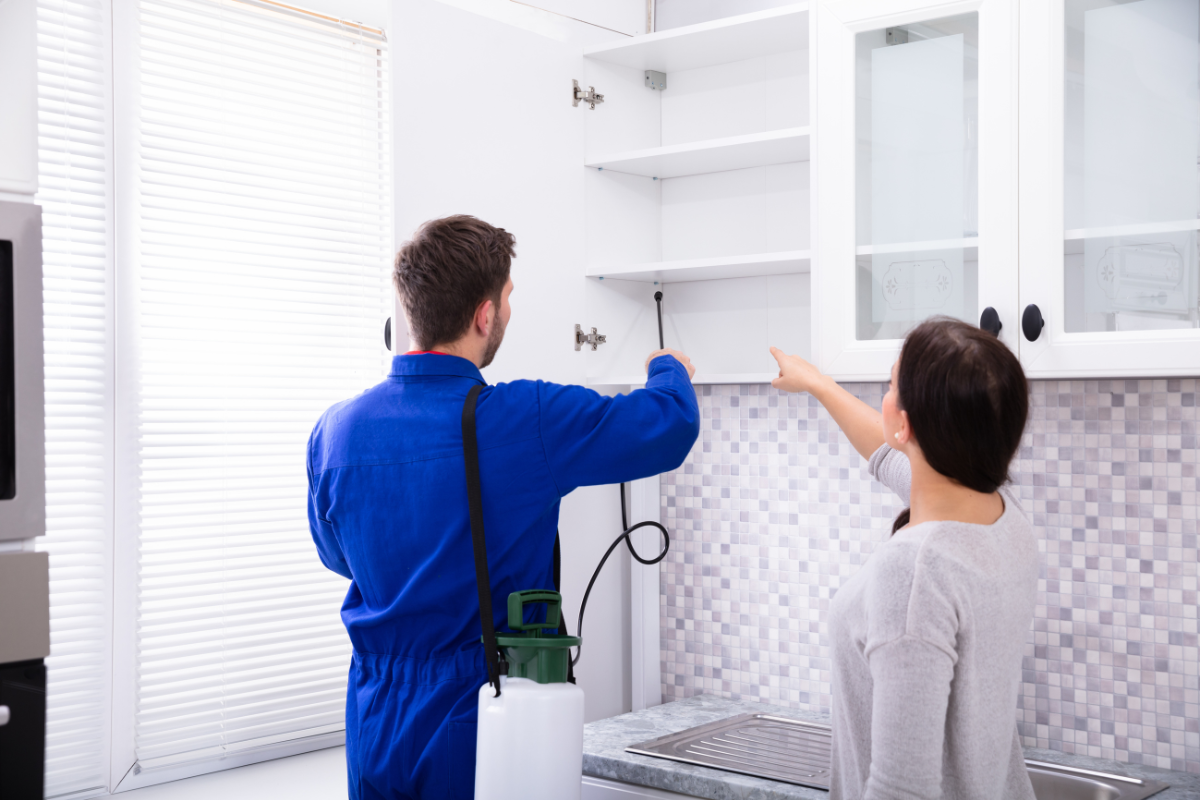

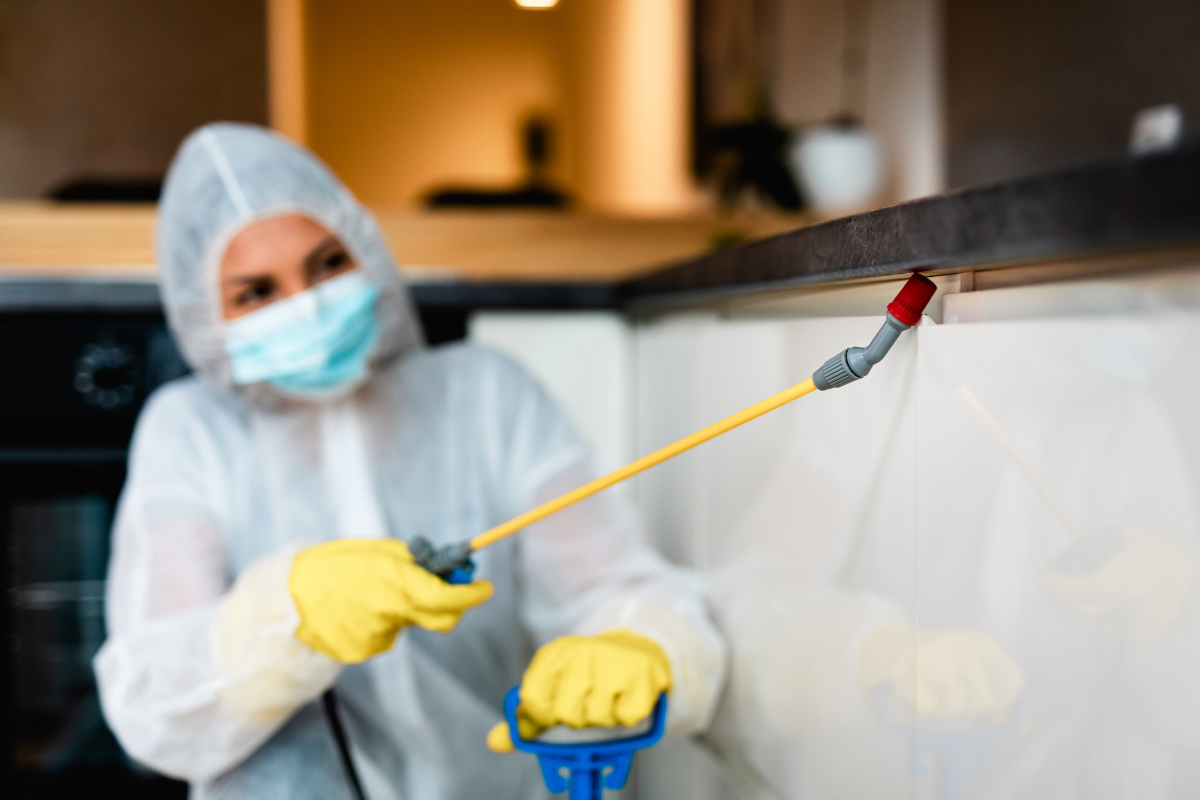
The first visit from an exterminator sets the tone for everything that follows. A good one feels like a thorough home inspection crossed with a medical intake. The technician learns your space, your habits, the pests’ patterns, and the risk factors you may not see anymore because you live with them. By the time the truck pulls away, you should understand what you have, how widespread it is, what will happen next, and what your role is in making the treatment stick.
I have worked with homeowners who expected someone to spray a generic product and leave. That isn’t professional pest control. The better pest control companies treat the first visit as reconnaissance, diagnosis, and targeted action. Some days that means gel baits and dust in precise cracks. Other days it means a vacuum, a ladder, a moisture meter, and a screwdriver. The right move depends on species, life cycle stage, and how your building is put together.
Below is how a competent exterminator service approaches the first appointment, what you can expect in real terms, and where you should press for clarity.
Arrival and a Two-Way Interview
The visit starts at the door with questions that matter. A seasoned pest control contractor will ask when you first noticed activity, what you have seen and where, and whether anyone in the home has allergies, asthma, pregnancy, or pets. That last part shapes product choices and application methods. If you tell me your cat chews on baseboards, I will not place a borate dust there and hope for the best.
You should expect to answer questions about travel, guests, secondhand furniture, recent renovations, water leaks, and landscaping. For bed bugs, the last six months of travel matter. For rodents, the last heavy rain and any roof work matter. If you run a dehumidifier only on weekends, that matters for silverfish and termites. The point is to place the problem in context, not just find where droppings landed.
I also ask for a quick tour focused on problem rooms, then I trace traffic lines outward. Living room roaches often start in the kitchen, but mouse droppings behind the water heater can point to a utility line gap that connects to a crawl space. Good exterminator companies train technicians to think like the pest and like a carpenter.
What a Professional Inspection Actually Looks Like
An inspection is not a glance under the sink. It is systematic and tuned to the species. I carry a bright headlamp, a pry bar, an inspection mirror, sticky monitors, CLIP boards for labeling, a laser thermometer, moisture meter, and sometimes a thermal camera. None of those replace a hand and an eye, but they help speed up the pattern recognition.
Cockroaches leave fecal spotting that looks like pepper along vertical lines and warm motor housings. Ants trail along edges, preferring the shadow where floor meets baseboard, then breach into kitchens via weep holes, utility penetrations, or hidden drip lines from dishwashers. Mice use their whiskers to navigate, so rub marks appear at consistent smudge height, about a half inch off the floor. Rats show larger smear marks and chew holes with rough edges, often near food storage or garage doors. Termites require a different skill set: look for shelter tubes, wood that sounds hollow, bubbled paint, and elevated moisture. Bed bugs demand patience and good lighting, with special attention to mattress seams, box spring undersides, headboards, sofas, and screw holes.
I rarely rely on a single clue. For German cockroaches, I want to find harborages with egg cases, nymphs, and adults together. For odorous house ants, I look for the nest, not just the trail. Spraying the trail satisfies the eye but does nothing to the colony. Where rodents are concerned, droppings alone are not enough. I want fresh gnaw marks, current entry points, and a sense of travel routes so I can place traps where they will perform in hours, not days.
The Safety Conversation That Should Happen Early
Before any treatment, a responsible exterminator reviews product options, application areas, and the steps needed to protect people, pets, and sensitive equipment. If a pest control service cannot describe what they are using, why, and what the label requires for re-entry times, find another company. The label is not paperwork. It is the law and the operating manual for safe and effective use.
When I treat homes with infants, I prioritize non-chemical methods and bait placements inside tamper-resistant stations. For schools or medical offices, I follow integrated pest management protocols that require documented thresholds, least-risk products, and more monitoring. If you keep tropical fish, that matters. Aerosols near aquariums are a bad idea, so I switch to crack-and-crevice gels or dusts and schedule ventilation. This is the moment to mention respiratory issues, chemo treatments, birds, or any special circumstances. Your exterminator can only plan to your realities if you share them.
Monitoring First, Then Treatment
The first visit balances urgency and data collection. If you have roaches streaming from a microwave, I will not delay treatment. But even with immediate action, I set monitors. Those flat glue boards, pitfall traps, or pheromone lures tell us, in black and white, whether the population is collapsing. I label and map them so the second visit produces comparable data, not just impressions. It is easy to believe things look better at 10 a.m. than they did at 9 p.m., but the pests may just be hiding.
For rodents, I often use a fluorescent tracking dust on a single night to expose runways under UV light. It turns what looks like random movement into a clear path under the stove and behind the fridge, leading to a gap the size of a thumb where the gas line enters. One well-placed snap trap along that path outperforms five scattered around a garage.
Species-Specific Actions You Might See
A generic spray-and-go approach wastes time and can make matters worse. Here is what targeted work looks like across common scenarios.
German cockroaches in kitchens and bathrooms
Expect the tech to pull the bottom drawer of your oven, open the hinge voids on cabinet doors, pop toe kicks where possible, and look behind gaskets on refrigerators. Gel baits go into screw holes, hinge pockets, and cabinet seams, not smeared on visible surfaces. I dust voids with a fine bulb duster using products that do not clump or repel. If the infestation is high, we may install insect growth regulators to disrupt reproduction, then place monitors under sinks and near warm motors. A pest control company that rushes to fog often drives roaches deeper into walls and apartments next door. Precision beats broadcast.
Ants that appear after rain
Ant work starts outside. We inspect foundation cracks, weep holes, and vegetation that touches siding. Pruning plants off the structure reduces bridges. Inside, I bait the foragers with a product matched to their sugar or protein preference, sometimes both if I have not identified the species yet. Spraying over baiting ruins the strategy because it kills the very ants that would feed the colony. A light non-repellent treatment along entry points may support the bait, but the bait is the engine. Expect a talk about food storage, dish timing, and the invisible honey spill under the toaster that fuels the trail.
Mice and rats in homes and garages
Rodent work divides into exclusion, trapping, and sanitation. On day one, I want to stop new animals from entering, so I seal gaps larger than a pencil for mice and larger than a quarter for rats, using bonded steel and sealant they cannot chew. I add door sweeps, screen vents, and fix broken escutcheon plates. Indoors, I use snap traps inside boxes along walls where I found rub marks or droppings, never near areas where pets or kids can reach. In some commercial settings, a pest control contractor will deploy multi-catch stations or secured bait stations outdoors. I photograph and map placements to maintain accountability. If droppings are heavy, I vacuum them with a HEPA filter and disinfect, both for sanitation and to reset the environment so fresh activity shows clearly.
Bed bugs in bedrooms and living spaces
Bed bug inspections can be humbling and meticulous. I remove linens, check mattress piping, look at the underside of the box spring, and inspect furniture joints. I often dismantle bed frames and lift headboards. If activity is confirmed, I vacuum adults and nymphs, then use targeted steam along seams and hardware. Chemical options, when used, are placed into cracks and crevices, not sprayed broadly on surfaces where people sit or sleep. Encasements for mattress and box spring help trap survivors and make monitoring easier. In multi-unit buildings, I coordinate with neighbors or management, because treating just one unit is like bailing a boat with a hole in the hull.
Termites and moisture-driven wood pests
With termites, moisture mapping matters. I use a moisture meter around baseboards, window sills, and plumbing penetrations. If mud tubes are present, I gently break a section to see if they are active, then leave the rest for identification and treatment planning. We discuss whether a localized treatment, a comprehensive soil treatment, or a baiting system makes sense. The best choice depends on construction type, grade level, bath trap accessibility, and whether you have prior treatments. The first visit will not always include drilling or trenching, but it should end with a clear plan and a map.
The Paperwork That Tells You What Really Happened
After inspection and initial work, you should receive a service ticket that lists what was observed, what was applied, where, and at what rates. Good exterminator services include a diagram with monitor locations, trap counts, and notes such as “heavy fecal spotting under dishwasher” or “half-inch gap at garage side door.” If your pest control company leaves you with nothing but a receipt, ask for more detail. That record supports follow-up decisions and gives you leverage if results lag.
I also provide preparation instructions tailored to you, not a generic sheet for all pests. Roach cleanup and clutter reduction differ from bed bug prep. Over-prepping can even backfire. Bagging every item in a bedroom creates hiding places and makes treatment slower. Better to target the bed, bed frame, and nightstands first, then expand. The right prep is the prep you can actually do in a day or two.
What You Might Be Asked To Do
A strong first visit ends with clear actions for the homeowner or facility manager. Simple habits shift the odds quickly. Keep the sink dry overnight, run the dishwasher before bed, and store pet food in lidded containers. For ant baiting, avoid cleaning the trails during the first 24 hours so bait placement remains in context. For rodents, remove bird seed and resolve that bag of grass seed in the garage that feeds mice all winter. If a dehumidifier is recommended, set it to 50 percent and run a drain line so it is not a chore. Moisture invites pests, and consistent drying often fixes what pesticides cannot.
Realistic Timelines and What Progress Looks Like
Everyone wants a same-day cure. Some pests cooperate. A small mouse problem can turn around in 48 hours with good trapping and exclusion. German cockroach populations typically show strong decline within one week if baits are taken and sanitation supports the work. Bed bugs demand patience measured in life cycles, not hours. Expect two to four visits spaced roughly two weeks apart, because eggs hatch on their own schedule. Ant colonies can crash quickly with the right bait, yet satellite colonies may flare again after heavy rain unless exterior conditions are addressed.
A good pest control service sets expectations with numbers. You should hear something like, “We will add 16 monitors today, repeat inspection in 10 to 14 days, and adjust bait placements based on which stations are hot. If we are not 80 percent down by the second visit, we will https://franciscomvrl236.theglensecret.com/understanding-termite-bonds-and-pest-control-company-warranties reassess with a different active ingredient.”
Access and Logistics That Make or Break Service
Many first visits underperform because we cannot reach the places that matter. Attic hatches are painted shut, garage closets are full of holiday bins, or the dog is anxious around strangers. Tell your exterminator service about access issues ahead of time. I carry drop cloths and shoe covers, but I also carry a pry bar, and I bring it only with permission. If a lock needs to be rekeyed to secure an exterior bait station, that needs scheduling.
Timing matters, too. Daytime inspections capture some pests poorly. German cockroaches peak after dark. I sometimes start in late afternoon, then return for a quick night sweep with the lights off to see real traffic. That extra 15 minutes has saved me hours of guesswork.
Product Choices, Resistance, and Why Brands Change
Pests evolve resistance. If you used a gel bait from the home store for six months and saw diminishing returns, do not be surprised when your exterminator switches to a different active ingredient class or formulation. A reputable pest control company rotates products intelligently. I favor non-repellents for ants because the foragers carry the active back to the colony. I avoid pyrethroids in areas with known resistance or where they risk flushing pests into wall voids.
Dusts deserve specific mention. Fine silica aerogel or diatomaceous formulations, when puffed lightly into voids, create long-term, low-toxicity barriers that do not repel. Overdusting, on the other hand, creates visible messes and clogs hinges. This is where skill shows. The right amount is a barely visible whisper, not a snowstorm.
Communication That Builds Trust
I try to narrate key moves during the first visit. Not a running monologue, but enough so you understand why I ignore the ant trail in the hallway and spend twenty minutes on the sill plate outside. Clients who understand the logic support the plan rather than working against it. If I say, “Please do not wipe up the bait you see by the dishwasher handle,” and explain that it is food for the workers to share, it stays put.
One of my favorite moments is showing a homeowner the gnaw pattern that distinguishes mouse from rat, or the antennae length that separates a German roach from an American roach. When you see what I see, we become a team. That alignment carries through the follow-up cycle.
What a Top-Tier First Visit Often Includes
- A structured interview about history, health, pets, travel, moisture, and building changes A mapped inspection with monitors placed and labeled for follow-up Targeted treatments matched to species and building conditions, not generic spraying Immediate exclusion or sanitation steps that remove root causes Clear documentation with next steps, timelines, and homeowner responsibilities
Red Flags That Signal a Low-Quality Service
- No inspection equipment, no monitors, and a quick perimeter spray as a one-size-fits-all solution Vague answers about product names, labels, and re-entry times No discussion of access, moisture, or exclusion, with everything framed as “chemicals will take care of it” Pressure for a long contract before a clear diagnosis No map, photos, or written observations left behind after the visit
Special Cases: Multi-Unit Housing, Food Businesses, and Healthcare
In apartments and condos, the first visit should extend beyond the single unit if activity suggests spread. An exterminator company experienced with multi-unit work will coordinate inspections of adjacent units, stack lines, and common trash areas. Isolating one kitchen with gel bait helps, but roaches travel along plumbing chases and electrical conduits. Management buy-in matters. I have watched great unit-level work fail because the trash chute compactor jammed weekly and overflowed.
Food businesses require logs, service frequency that matches health codes, and tight device management. I build a service map with every trap and station labeled, record capture data, and trend it over time. The first visit includes a risk walkthrough for deliveries, floor drains, and proofing around dock doors. Quick wins often involve bristle strip installation and hinge-side door seals that stop a surprising amount of rodent traffic.
Healthcare spaces demand quiet, low-odor methods and data-heavy justifications for every treatment. I lean on monitors, vacuuming, and targeted gels, with product choices that respect sensitive populations. The first visit doubles as a training moment for staff, because food and flower policies change outcomes more than any spray can.
Cost, Scope, and Why Estimates Vary
People ask why quotes for the “same pest” differ by hundreds of dollars. The first visit usually reveals scope. A tidy condo with a new roach issue from a grocery delivery is not the same as a duplex with a decade of layered harborages and shared walls. A crawl space with 12 open vents and a rotted access door is not a quick fix for rodents. Good pest control contractors price the plan, not the pest name. Expect a base fee for inspection and initial treatment, then a schedule of follow-ups and possible add-ons like exclusion work or exterior baiting. If someone quotes without seeing the site, treat it as a placeholder, not a commitment.
How to Get the Most Out of That First Visit
You can help by clearing the sink and countertops, pulling items from under the kitchen sink, and scooting furniture off walls where you have seen activity. Have a list of sightings with dates and times. Share what has been tried, including DIY sprays or powders, even if you are embarrassed. That honesty saves time and prevents bad chemical interactions. Secure pets and let us know where litter boxes, cages, and aquariums live. If mobility or time is a challenge, say so. I can tailor prep to reality, and sometimes I can help with small tasks during the visit.
What Happens After the Truck Leaves
The first visit is the foundation, not the finish line. Within a week or two, a follow-up visit checks monitors, refreshes baits, adjusts trap placements, and addresses any rebound. If the plan included structural fixes, those get scheduled. Communication stays open. I prefer short messages with photos if you see new activity, especially at odd hours. A single picture of a winged ant by the window in late winter can change the plan from “nuisance ant” to “possible carpenter ant satellite nest,” which calls for different tactics.
Over time, the service may shift from active suppression to maintenance. For many homes, quarterly exterior perimeter treatments, bait station checks, and quick touch-ups inside keep things quiet. For food sites, monthly or even biweekly visits may be necessary. The goal is not zero insects ever, which is unrealistic, but prevention of infestations and quick response to incursions.
The Value of a Professional Mindset
Plenty of products are available to consumers, and some work in narrow circumstances. What you hire in a professional exterminator service is not just access to tools and labels, but the discipline to diagnose, sequence, and adapt. The first visit should give you a sense of that discipline. If you feel rushed, unheard, or treated to a one-size-fits-all routine, trust that instinct and look for a pest control company that approaches your space with curiosity and craft.
When the first visit goes right, you gain more than a treatment. You gain a strategy, a map of your building’s vulnerabilities, and a partner who knows how to turn a messy biological problem into a manageable maintenance routine. That is the mark of a true professional in pest control, and it starts the moment they step over the threshold.
Clements Pest Control Services Inc
Address: 8600 Commodity Cir Suite 159, Orlando, FL 32819
Phone: (407) 277-7378
Website: https://www.clementspestcontrol.com/central-florida